

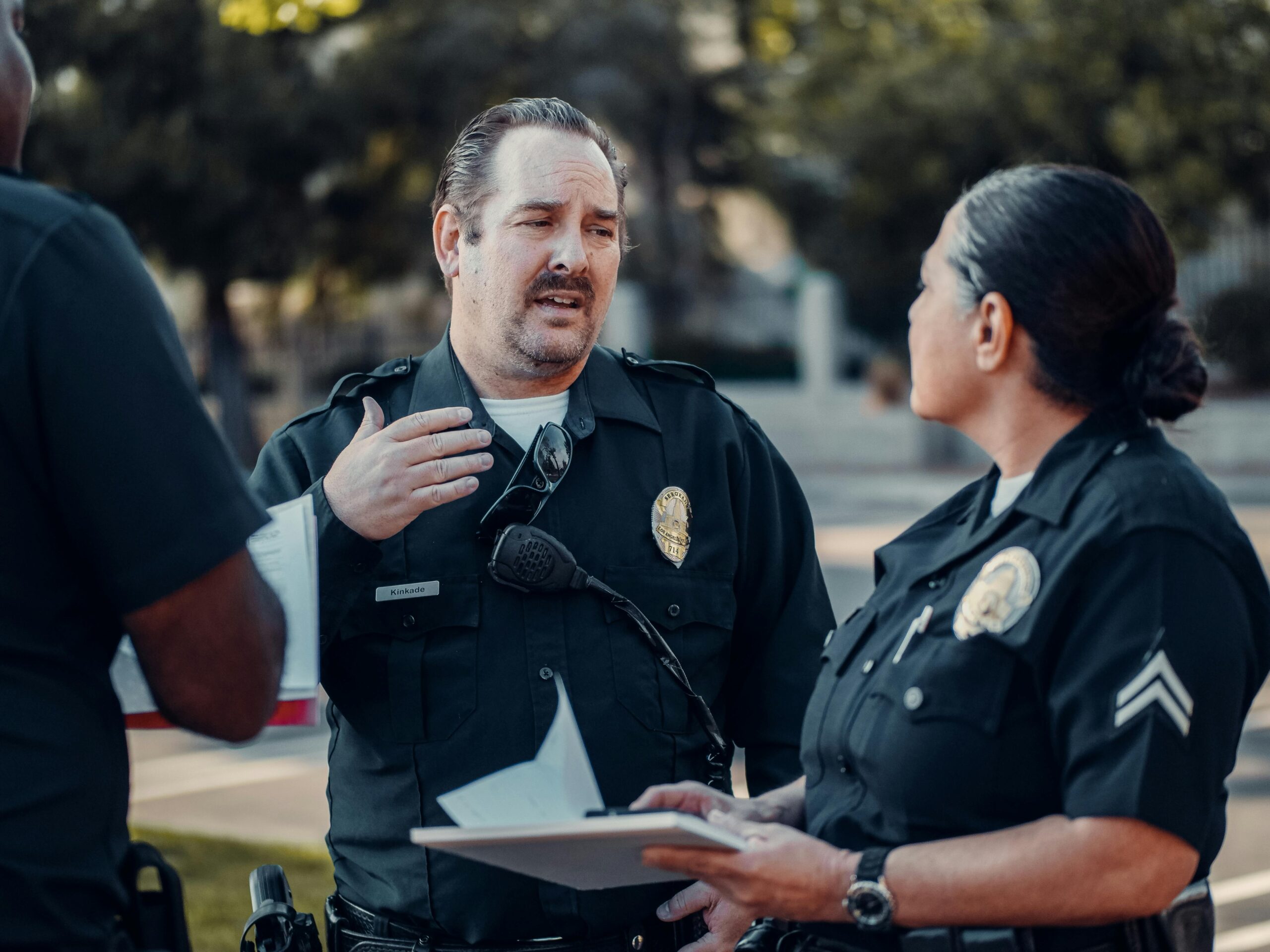
The History of PTSD for First Responders
The history of PTSD for first responders involves the law’s slow recognition of the realities of police work, firefighting, and prison corrections. For many years, psychological injuries were ignored or minimized, even when they were clearly connected to the job. First responders were expected to carry the weight of traumatic calls without acknowledgment or support. Thankfully, things have changed.
Early Resistance to PTSD Claims
For decades, workers’ compensation claims involving mental health were viewed with skepticism. The system was built around visible injuries, not the long-term psychological effects of repeated trauma. First responders who experienced anxiety, nightmares, or hypervigilance after critical incidents may have been told their symptoms were personal issues rather than work-related conditions. This approach ignored the cumulative nature of trauma in public safety work.
Over time, research and lived experience began to change the conversation. Medical professionals and policymakers started to recognize that job-related trauma for first responders can cause lasting psychological harm. Unlike a single accident, PTSD often develops after years of repeated exposure.
The body and mind respond to constant alertness differently than they do to isolated events. As awareness grew, pressure increased to bring workers’ compensation law closer to medical reality.
Florida’s Approach to PTSD in Workers’ Compensation
Florida law eventually evolved to acknowledge the validity of PTSD claims for first responders. These claims still come with strict requirements, but the law recognizes that psychological trauma can arise directly from job duties, even without a physical injury in some circumstances. However, the burden remains high. This is where many claims succeed or fail, depending on how the evidence is presented.
Why Do PTSD Claims Remain Challenging?
Even with the legal recognition, PTSD workers’ compensation cases for first responders remain complex. Insurance carriers often scrutinize these claims closely, examining medical opinions, timelines, and qualifying events.
First responders are not always told what documentation is required or how benefits must be requested. Because of this, it would be easy to miss important steps without proper guidance, which can delay care, limit benefits, or result in an avoidable denial.
The History of PTSD for First Responders Shows a Slow Progression Towards Acceptance – Call Us to Discuss Your Claim
Having legal representation for first responder PTSD claims early on is important because a lawyer trained in this area understands how these claims developed and how they are evaluated today. Early involvement helps ensure medical treatment is authorized, records are complete, and workers’ compensation benefits are requested properly.
The history of PTSD for first responders reflects a slow but meaningful shift toward recognizing the mental toll of public safety work. While the system still has challenges, progress has been made. Contact Bichler & Longo, PLLC to keep the conversation going.